The Craft

The making of pashmina

From a mountain goat to your shoulders.

What is pashmina

The softest
thread of all

Pashmina is the fine undercoat of the Changthangi goat, which lives on the Changthang plateau in Ladakh, above 14,000 feet, where winter drops to minus 40 degrees. The fibre is only 12 to 16 microns thick, finer than any other wool.

It is gathered once a year, in spring, when the goats shed. Each goat gives only about 80 to 170 grams of usable fibre, and it takes the fleece of three or four goats to make a single shawl.

  1. ICombedIn spring, when the goats shed. Herders comb the undercoat by hand. It is never sheared.
  2. IIDe-hairedThe soft pashm is separated from the coarse guard hair, by hand.
  3. IIISpunOn a wooden charkha, usually by women. About a month to spin 110 grams of yarn.
  4. IVWovenOn a handloom, by a weaver. At least a week for one plain shawl.
  5. VEmbroideredOr woven with pattern, in the work you will read about below.

A plain handwoven shawl takes more than 20 days and about 30 stages, before a single stitch of embroidery.

Authentic Kashmir pashmina

Made by a
registered workshop

Genuine Kashmir pashmina, made in Kashmir by a registered workshop that is recognised by the Government of India.

Government of India
The workshop is an authorised user of the Geographical Indication for Kashmir Pashmina, Kashmir Sozani Craft and Kani Shawl
Government of Jammu and Kashmir
The workshop is registered with the Directorate of Handicrafts as a manufacturer and exporter
Government of India
The workshop holds an Importer-Exporter Code for international orders
The Work

Four crafts of Kashmir

Each one is slow. Together they are why a shawl lasts a lifetime.

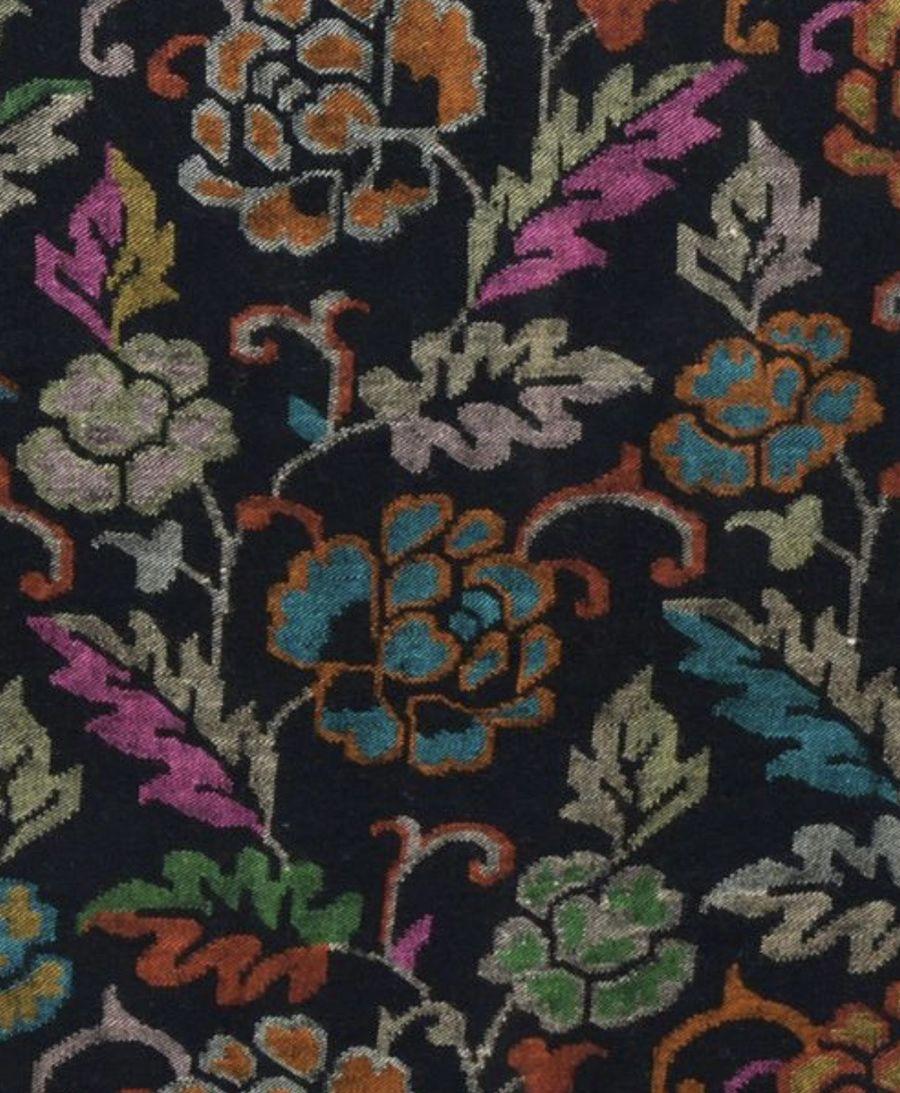
Close view of a kani shawl woven with flowers and leaves on a black ground
Work I

Kani

Woven, not embroidered

Every motif is built into the cloth on the loom, one coloured thread at a time, using small wooden spools. The weaver follows a coded pattern and works about one inch a day. Kani is the slowest craft in Kashmir.

Time to makeUp to 3 to 5 years

Roughly 6,000 to 10,000 working hours.
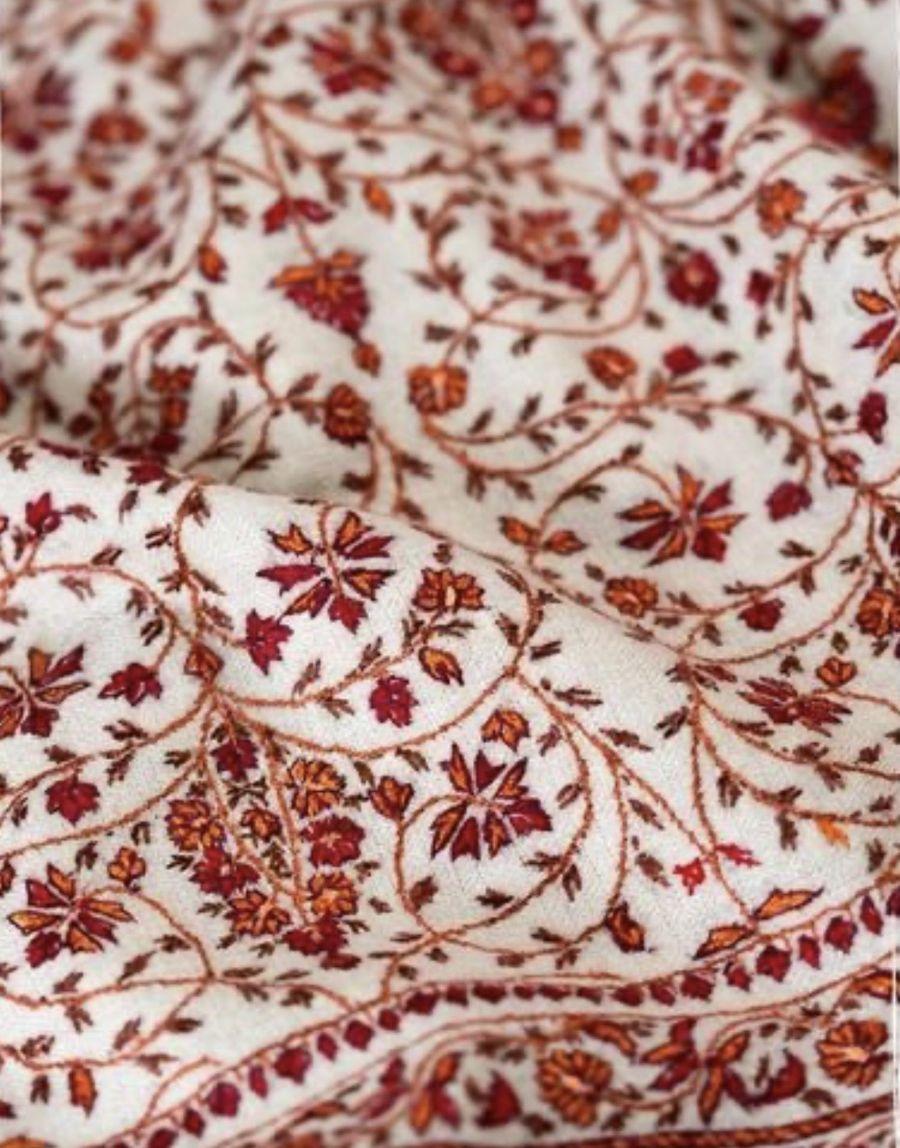
Sozni needle embroidery in fine red and orange vines on cream pashmina
Work II

Sozni

Needle embroidery, thread as ink

Stitched with a single fine needle, so the thread sits in the pashmina like a drawn line. The denser the design, the longer it takes.

How long each sozni style takes
BootidarScattered motifs2 to 3 weeks
HashidarA fine borderAbout 1 month
PalldarBorders at both endsAbout 3 months
BaledaarA wide borderAbout 6 months
ButehdaarLarge motifs across the shawlAbout 1 year
JamawarThe whole shawl filledUp to 3 years

About one year of sozni is over 2,000 hours.

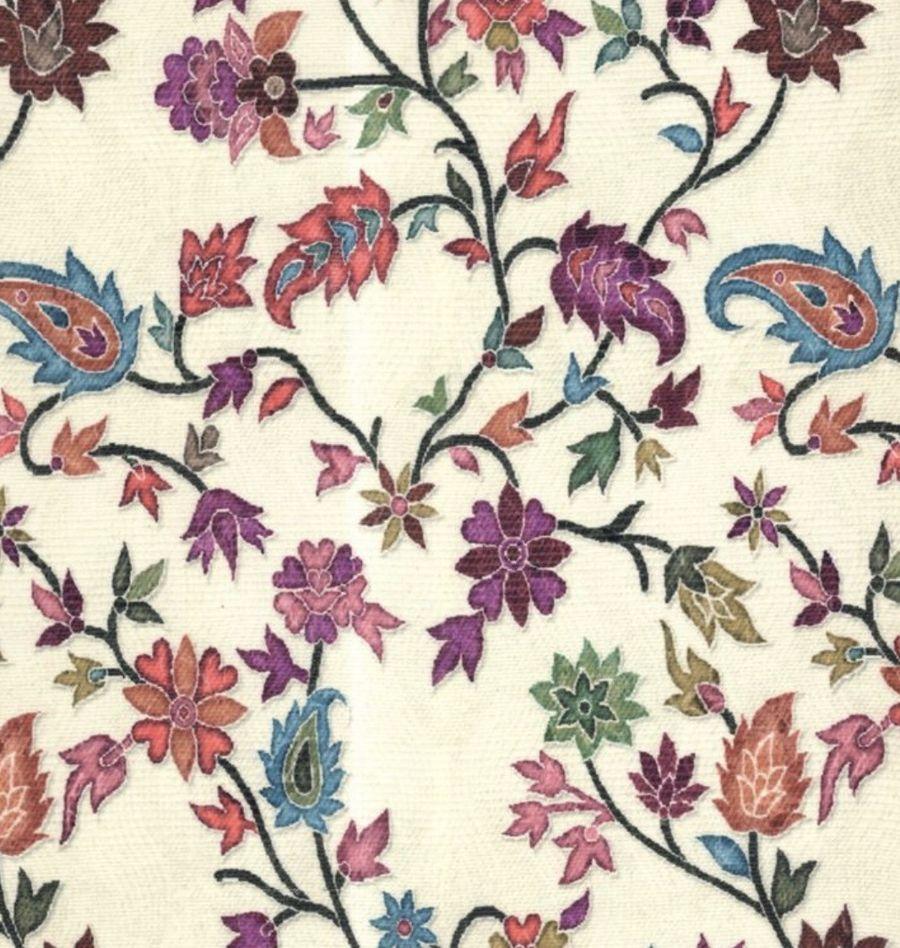
Aari hand embroidery with flowers, leaves and paisley on cream pashmina
Work III

Aari

Chain stitch, in loops

A long hooked needle works concentric loops of colour, usually in flowers and leaves. It is quicker than sozni, and bolder in colour.

Time to makeWeeks to a few months

Depends on how dense the design is.

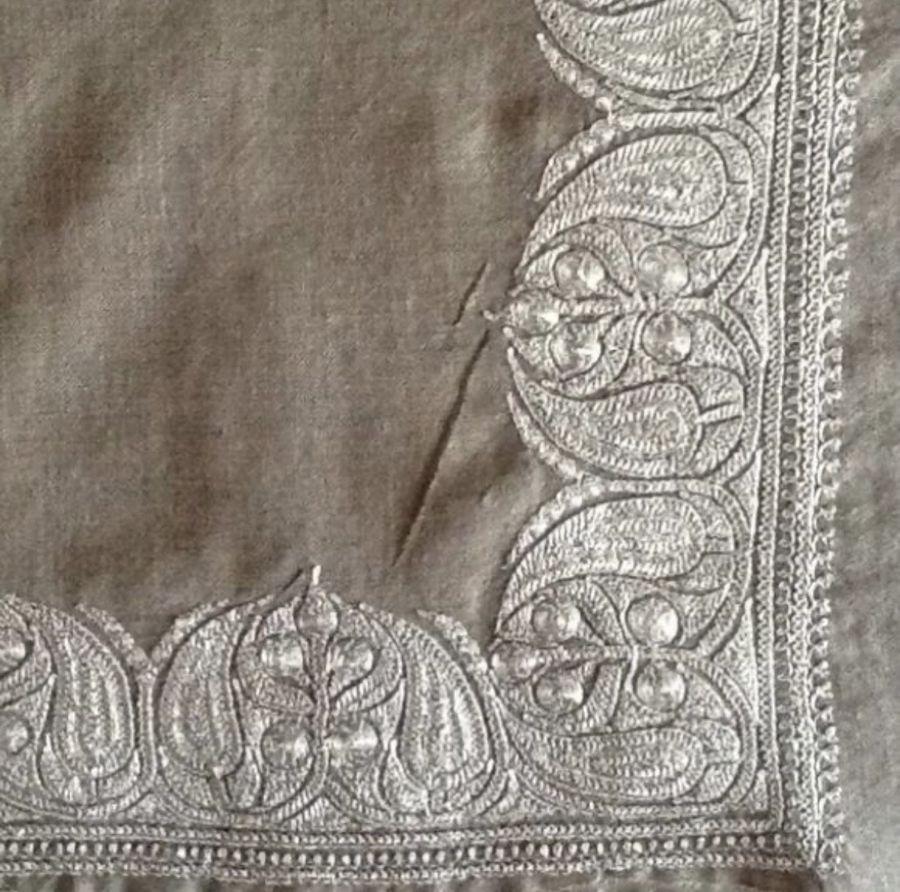
Tilla thread work in a paisley border on a grey pashmina shawl
Work IV

Tilla

Gold and silver thread

Metal-wrapped thread is laid along borders and motifs and stitched down by hand. It is the classic work for weddings and special days.

Time to makeWeeks to a few months

Depends on how much of the shawl is covered.

Hours are estimated at about seven working hours a day. The times are typical, and vary with the shawl and the artisan.